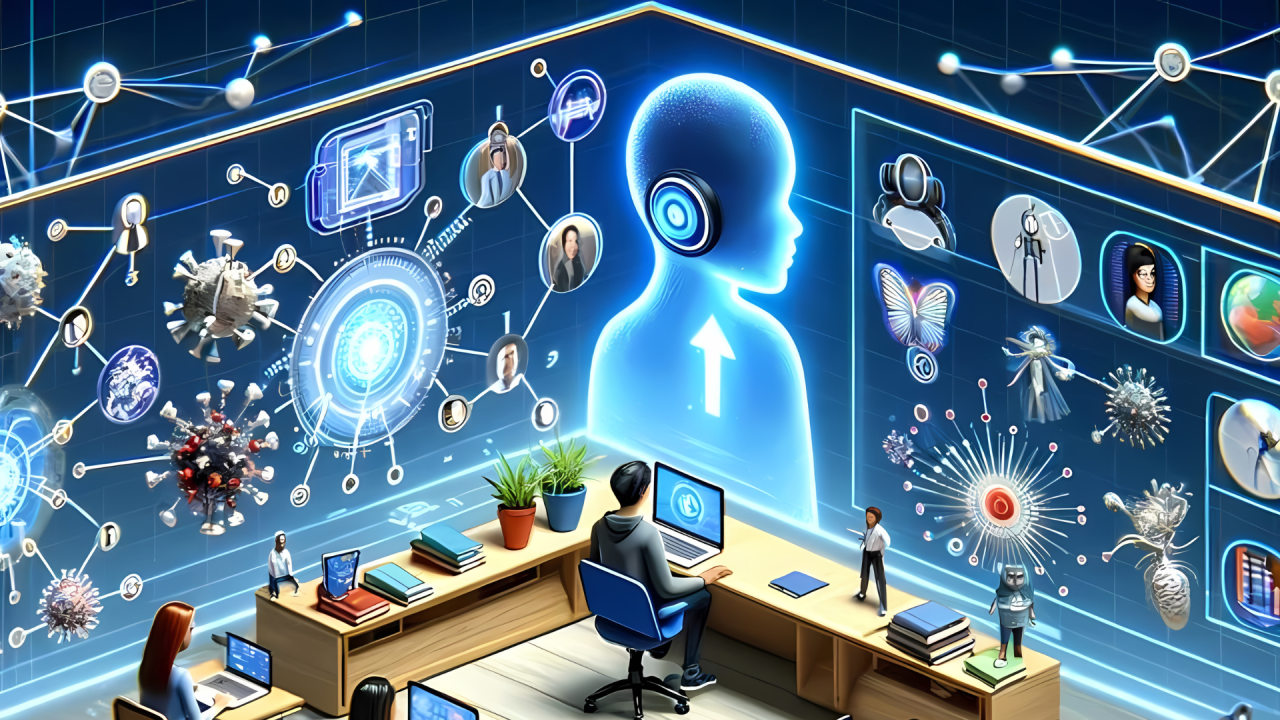

As artificial intelligence (AI) continues to evolve at an unprecedented pace, its potential to transform industries, enhance productivity, and improve quality of life is undeniable. From healthcare to finance, transportation to education, AI has already begun to reshape the way we live and work. However, alongside the excitement about AI’s capabilities, there is also growing concern about its impact on jobs, privacy, and even our sense of humanity. This brings us to a critical question: How can we ensure that AI serves humanity, rather than diminishes or replaces it?
The Risk: Replacing Humanity with Machines
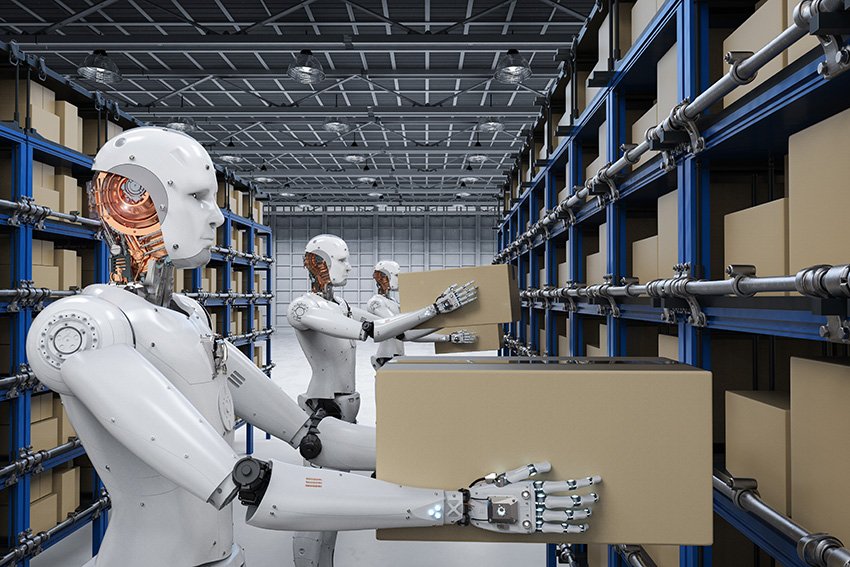
Despite its potential benefits, there is a legitimate fear that AI could lead to widespread job displacement, loss of privacy, and even the erosion of what it means to be human. The idea of AI replacing human workers, for example, is a major concern across various industries. However, the issue isn’t AI itself but how we choose to implement it.
- Job Displacement: A Double-Edged Sword
The Concern: AI and automation could replace jobs in sectors such as manufacturing, customer service, and even creative industries, leading to unemployment and economic inequality.
The Solution: Rather than focusing solely on automation, we should invest in re-skilling and up-skilling workers. AI can be used to create new jobs and enhance existing ones, allowing humans to focus on more creative and strategic tasks.
- Loss of Privacy: The Data Dilemma
The Concern: AI systems often require vast amounts of data, raising concerns about privacy and data security. Without proper safeguards, AI could be used to monitor and control populations.
The Solution: Developing robust data protection policies and ethical guidelines for AI is crucial. AI should be designed with privacy in mind, ensuring that personal data is handled responsibly and transparently.
- Erosion of Human Interaction: The Social Cost
The Concern: As AI takes over more aspects of our lives, there is a risk that human interaction could be reduced, leading to a sense of isolation and loss of community.
The Solution: AI should be used to enhance, not replace, human interaction. For example, AI can handle routine tasks, giving people more time to connect with others and engage in meaningful activities.
A Future Where AI Enhances Humanity
The goal of AI should be to create a future where technology enhances human potential rather than diminishes it. This vision requires collaboration between technologists, policymakers, ethicists, and the broader public to ensure that AI is used responsibly and ethically.
- Collaborative Human-AI Partnerships
In healthcare, AI can assist doctors by analyzing medical images or predicting disease outbreaks, but the final decisions should remain with human professionals who can consider the broader context and ethical implications.
- Empowering Creativity and Innovation
AI tools can automate repetitive tasks in creative industries, such as generating music or visual art, freeing up human creators to focus on the conceptual and emotional aspects of their work.
- Supporting Global Challenges
AI can help address global challenges such as poverty, education, and environmental sustainability by providing data-driven insights and solutions that human decision-makers can act upon.
A Call to Action
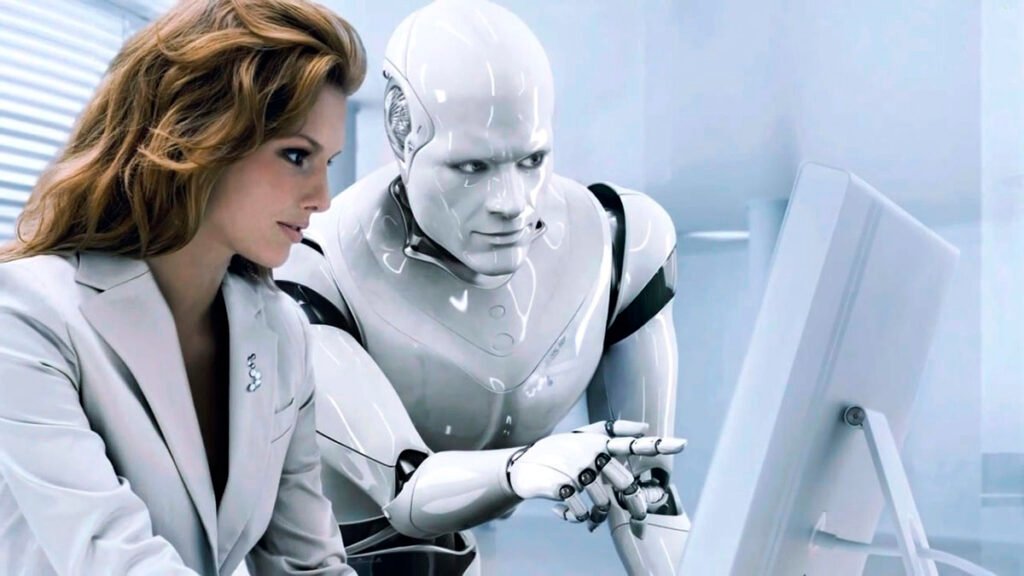
As we continue to develop and integrate AI into our daily lives, we must remain vigilant about its potential impact on humanity. The key is to ensure that AI serves as a tool to enhance human capabilities, improve our quality of life, and address some of the most pressing challenges of our time.
This is a call to action for developers, businesses, and policymakers: Let’s prioritize human dignity, creativity, and well-being in the design and deployment of AI. By doing so, we can create a future where AI serves humanity—not as a replacement, but as a powerful ally in our quest for a better world.





Leave a Reply
You must be logged in to post a comment.