Latest posts
-
The Future of Generative AI
Generative AI is still early. The next breakthroughs will come from better reasoning, memory, efficiency, alignment, and autonomous systems—not just larger models. The future belongs to engineers and researchers who build what doesn’t exist yet. #GenerativeAI #AIResearch #FutureOfAI #Innovation
-
Multimodal and Agentic Generative AI Systems
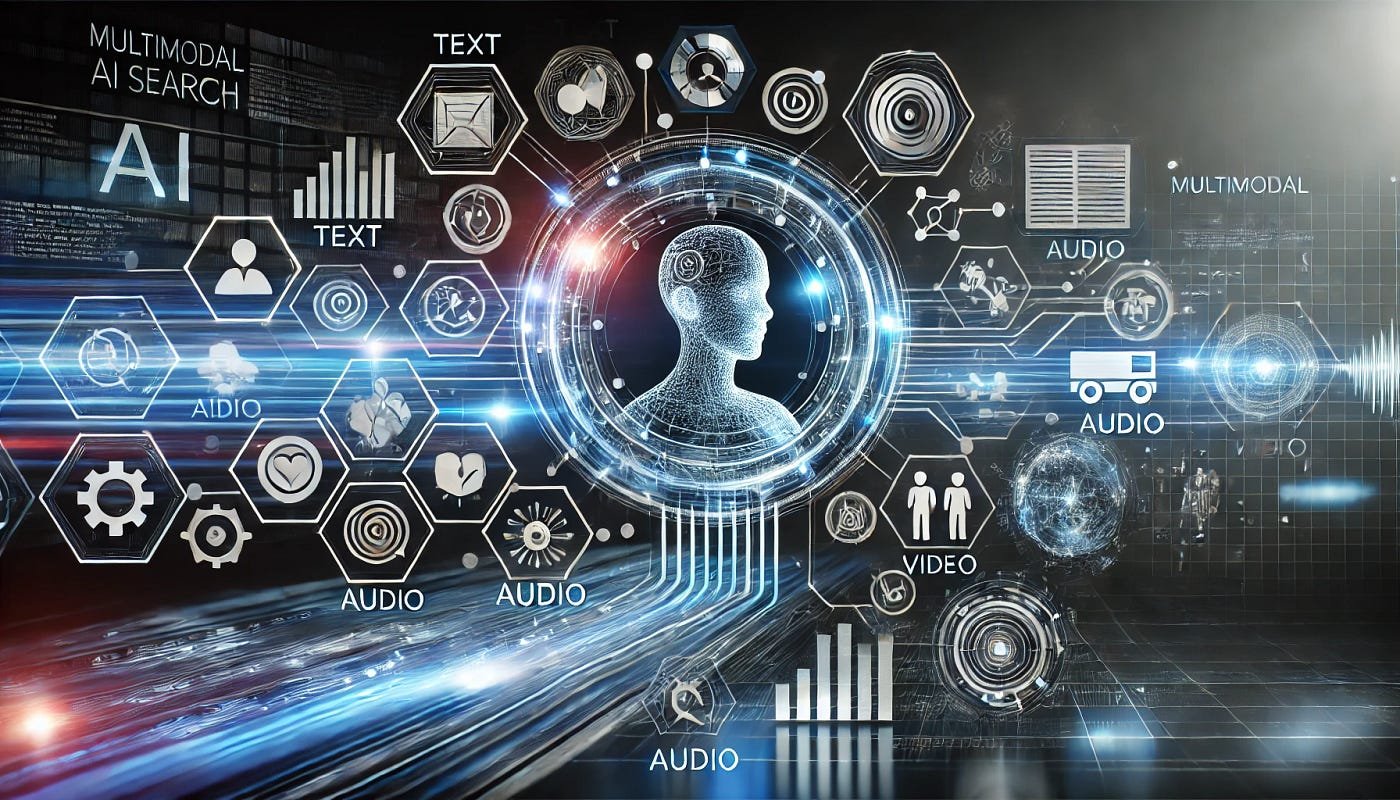
The future of Generative AI is multimodal and agentic. AI systems are evolving from passive responders to autonomous agents that can plan, use tools, and act toward goals. This shift unlocks powerful new applications—and new responsibilities. #GenerativeAI #AgenticAI #MultimodalAI…
-
Advanced Generative AI Implementation and System Optimization

Training models is only half the challenge—most Generative AI cost and complexity lives in inference and optimization. Techniques like quantization, distributed execution, and tiered model strategies define production-grade AI systems. Engineering discipline is the real differentiator. #GenerativeAI #AIEngineering #ModelOptimization…
-
Inside Large Generative Models
Transformer models power modern Generative AI through self-attention, embeddings, and scale. Understanding how these systems work internally is essential for engineers, researchers, and architects building next-generation AI solutions. Innovation starts with deep technical clarity. #GenerativeAI #Transformers #AIEngineering #MachineLearning
-
Generative AI in Production – Challenges, Risks, and Proven Solutions
Most Generative AI failures don’t happen in demos—they happen in production. Hallucinations, cost overruns, security risks, and model drift are systemic challenges that require architectural and operational solutions. Production-ready AI is an engineering discipline. #GenerativeAI #AIInProduction #EnterpriseAI #AIGovernance
-
Where Generative AI Is Used Today

Generative AI is no longer experimental—it’s operational. From marketing and software development to healthcare and finance, organizations are using AI as a copilot to scale productivity and knowledge. Understanding current use cases is the first step toward successful adoption.…
-
Types of Generative AI Models
Generative AI is not one technology—it’s a family of models. Language models generate text and code, diffusion models create images, GANs produce synthetic data, and multimodal systems combine everything. Choosing the right model is critical for real-world success. #GenerativeAI…
-
How Generative AI Works

Generative AI does not “think” — it predicts. By learning patterns from massive datasets, these models generate text, images, and code one step at a time using probability. Understanding the difference between training and inference is essential for anyone…
-
What Is Generative AI? A Beginner’s Introduction
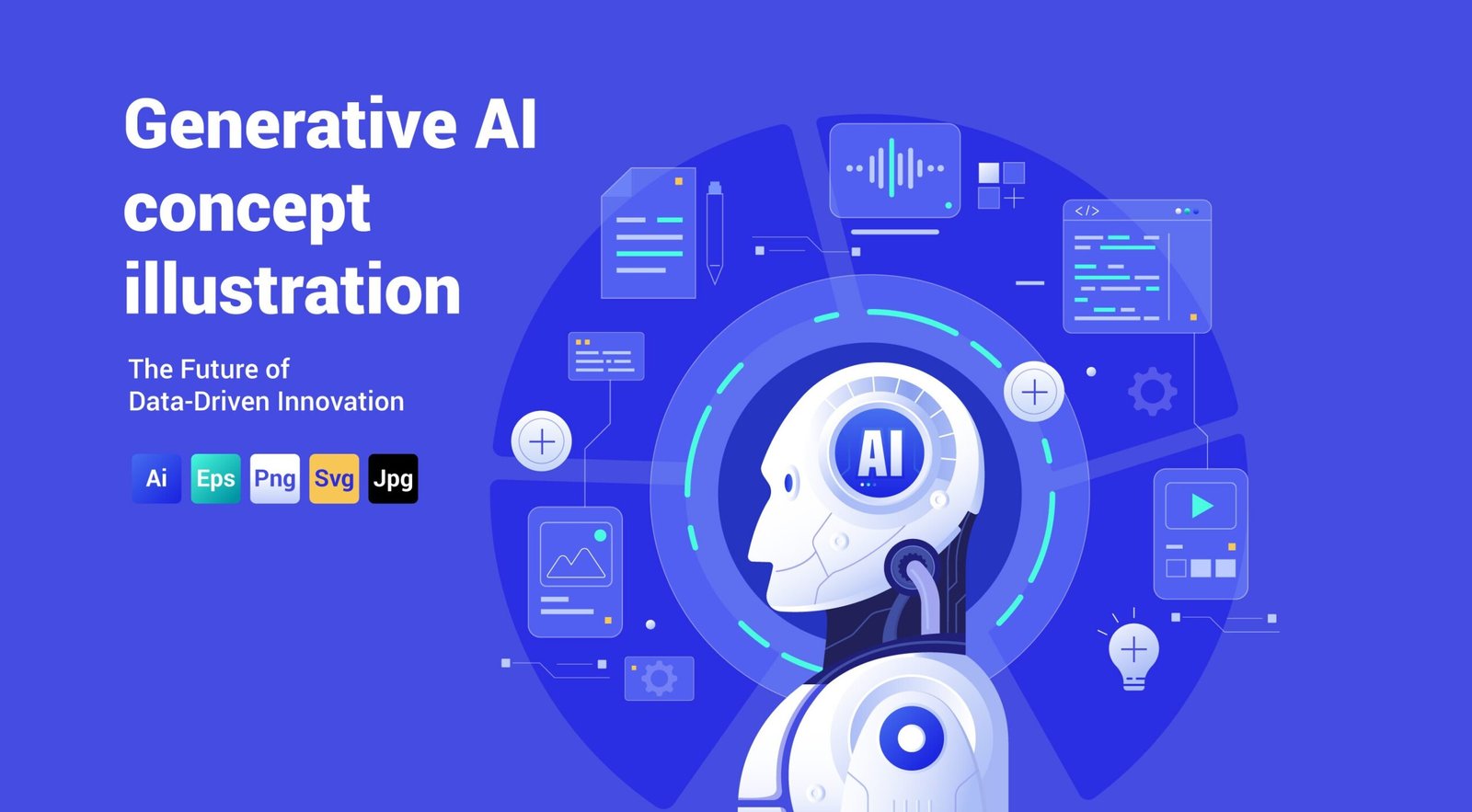
Generative AI represents a fundamental shift—from AI that analyzes data to AI that creates content. From writing reports to generating code and images, Generative AI is redefining productivity across industries. This blog introduces the core concepts every professional should…
-
AI Agents, Agent Factories, and Digital FTEs

Building the Enterprise Workforce of the Future 1. Executive Summary Enterprises face unprecedented talent shortages and cost pressures, with 73% of executives reporting difficulty scaling operations due to human resource constraints. After automating processes via RPA and augmenting workers…